
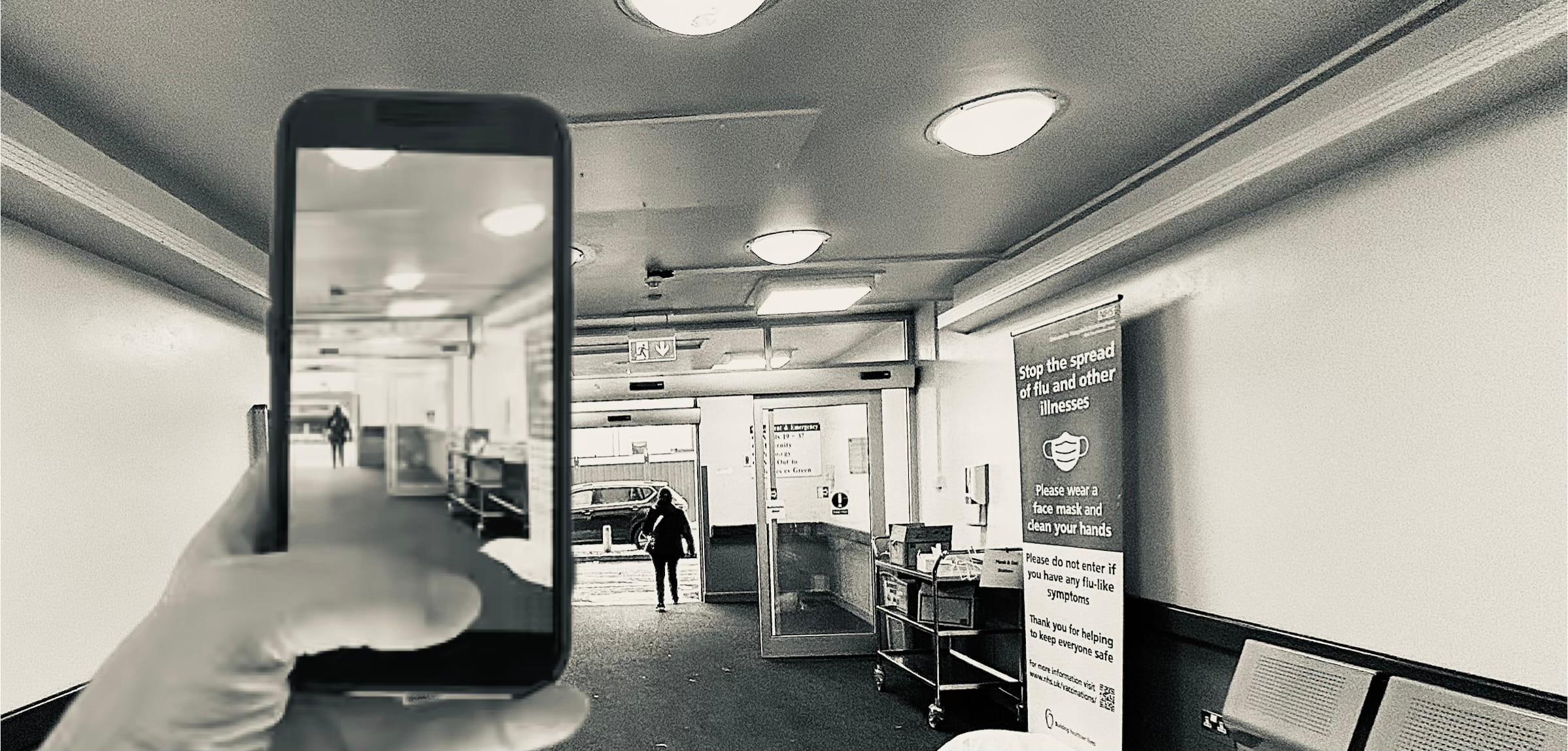
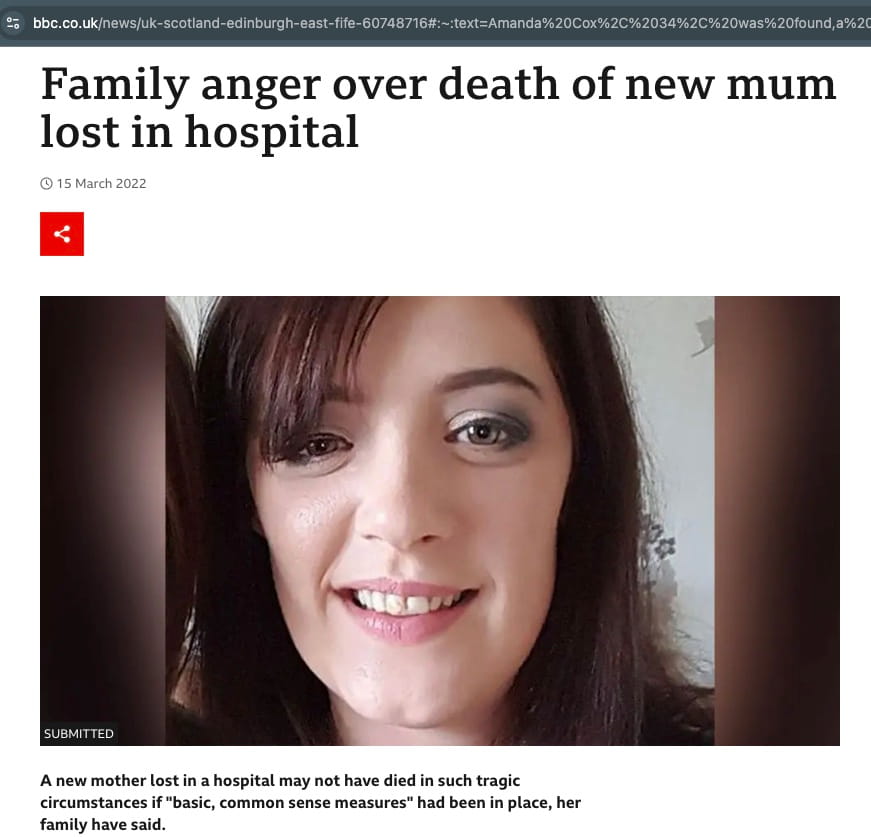
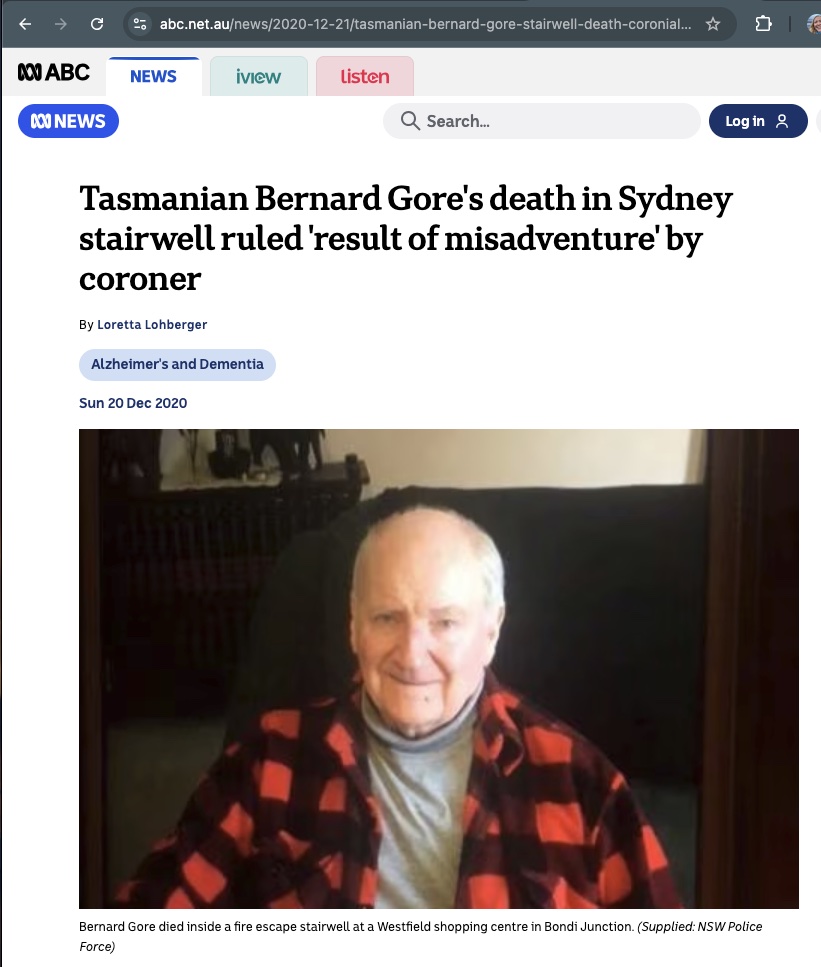
Stopping people getting lost in buildings is important for so many reasons but one that is not talked about often enough is risk reduction and site-user safety. Solving wayfinding problems shouldn’t be seen as a ‘nice to have’ or a ‘will do later’ project – it’s essential for keeping people safe at your site. In 2018 Amanda Cox a new mother died when she got lost navigating from the neo-natal unit to the maternity ward in a UK hospital. It took searchers five hours to find her in a rarely used stairwell. Poor signage was found to be a contributing factor to her death. In 2017 Bernard Gore died when he got lost in a shopping centre in Sydney Australia. It took three weeks to find him in a rarely used stairwell. Lost person protocols or risk audits predicting where people may get lost, were clearly not in place at either of these sites.
These tragic incidents are rarely talked about. Have you ever felt unsafe getting lost a building? Are there other near-fatal lost occurrences that have not been reported in the media? I believe more lost-person deaths are possible if wayfinding systems are not improved – particularly in hospitals and places where site users are often stressed on arrival, feeling unwell and cognitively and physically impaired. Having audited over 25 hospitals in the UK, Ireland and Denmark, and shopping centres in Dubai and the UK, I’ve been lost or disorientated at some point at every site. I sometimes find myself inadvertently going into a restricted area and rarely used stairwells which are a common building feature linked to both fatalities. A recent hospital Staff Survey found that 70% of the 100 staff who responded get lost ‘sometimes, often or always’. It is very likely new patients, and infrequent visitors at this site are getting lost as often. 51% of staff said they find it difficult to direct lost people and 12% say they never give directions because they are not sure where places are and don’t want to misdirect people. Asking for directions is always an unreliable wayfinding strategy because people like to help you, but giving clear directions is a very difficult skill – especially in a complex, multi-level, inter-connect built environment. If there is no wayfinding information in appointment letters and signs and maps are very confusing, asking for directions is the only option. If the destination is close-by and easy to recognise when you get there wayfinding should be successful. But when a navigator needs to change floors using a specific staircase or lift, or walk long distances, or go outdoors to find a different building entrance, the chances of getting lost increase dramatically. Wayfinding specialists and information designers intentionally get lost, work out what was confusing and co-create solutions that make routes safer and reduce the risk of people being harmed by getting lost.
References
‘Lost’ new mother dies in Edinburgh Royal Infirmary. 12 December 2018. https://www.bbc.co.uk/news/uk-scotland-46535996
Nightmare in Westfield: How Bernard Gore died after being trapped in Westfield shopping centre stairwell. 29 January 2017. https://www.news.com.au/lifestyle/real-life/nightmare-in-westfield-how-bernard-gore-died-after-being-trapped-in-westfield-shopping-centre-stairwell/news-story/d06bc0b1917e88059015eab73e9c2867